
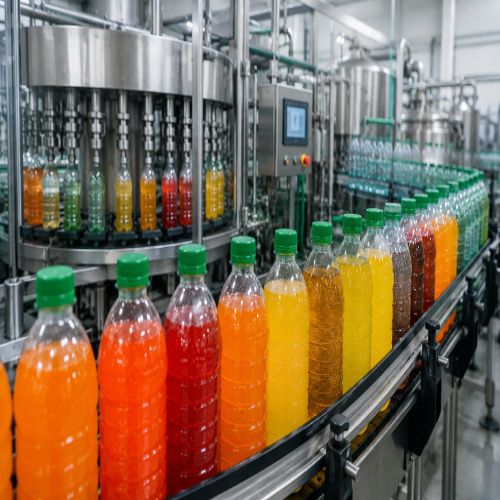
A Strong Foundation for Beverage Safety
Consumers often focus on flavor, freshness, and appearance when choosing beverages. What they rarely see is the extensive effort that goes into maintaining food safety behind the scenes. Whether producing bottled water, fruit juices, dairy drinks, carbonated beverages, or energy drinks, manufacturers face one common challenge—keeping products safe from contamination.
This is where the HACCP certificate becomes valuable. More than a formal recognition, it represents a systematic approach to identifying hazards and controlling them before they affect the finished product. For beverage manufacturers, maintaining safety isn't simply about meeting regulations. It's about protecting consumers, strengthening brands, and building confidence across the supply chain.
Why Beverage Manufacturers Can't Ignore Food Safety
Beverages travel through several stages before reaching consumers. Raw ingredients, water treatment, mixing processes, bottling lines, storage, and transportation all present opportunities where contamination could occur. Even a small issue can create significant consequences.
You know what? Food safety works much like maintaining a dam. A tiny crack may appear harmless, but if left unattended, the damage can spread rapidly. Beverage manufacturers understand this reality better than most industries.
The HACCP certificate provides a preventive framework that helps organizations control hazards before problems emerge. Prevention, after all, is much easier than dealing with recalls and damaged reputations.
What Exactly Is an HACCP Certificate?
The HACCP certificate, based on Hazard Analysis and Critical Control Points, is a food safety system designed to identify, evaluate, and manage biological, chemical, and physical hazards throughout production processes.
Unlike inspection methods that focus only on finished products, HACCP emphasizes prevention. Manufacturers identify critical points where hazards might occur and establish controls that maintain product safety.
Think of it as a roadmap. Rather than waiting for a wrong turn, the system provides clear directions to help avoid problems altogether. This structured approach supports consistency, quality, and customer confidence.
Why Beverage Manufacturers Need an HACCP Certificate
Consumer expectations continue to evolve. Buyers expect beverages to be safe, consistent, and produced under controlled conditions. Regulatory authorities and major retailers share those expectations.
An HACCP certificate helps beverage manufacturers demonstrate their commitment to food safety and regulatory compliance. It also strengthens relationships with suppliers, distributors, and customers.
Many organizations initially pursue certification because customers request it. Interestingly, they often discover operational improvements that extend well beyond compliance. Better process control, reduced waste, and stronger internal communication frequently become unexpected advantages.
Understanding the Seven Principles Behind HACCP
At the center of every HACCP certificate are seven principles that support food safety management. These principles create a framework that helps manufacturers maintain control over production activities.
The principles include:
- Hazard analysis
- Critical control point identification
- Critical limit establishment
- Monitoring procedures
- Corrective actions
- Verification activities
- Documentation and record keeping
Although these principles sound technical, their purpose is straightforward. They help organizations detect risks early and maintain consistency throughout production.
Like a recipe followed carefully, each step contributes to the desired outcome.
Preventing Contamination Before It Starts
Here's the thing—food safety incidents rarely appear suddenly. Most begin with small weaknesses. Improper sanitation, ingredient issues, or equipment failures can create opportunities for contamination.
The HACCP certificate encourages beverage manufacturers to identify those risks before they become costly problems. This preventive approach supports product integrity and minimizes disruptions.
Imagine maintaining a car before a long journey. Replacing worn components ahead of time prevents breakdowns later. HACCP follows the same philosophy. Addressing hazards early creates smoother operations and greater confidence.
Small preventive actions often make the biggest difference.
Customer Confidence Matters More Than Ever
Consumers may never visit a beverage manufacturing facility, yet they expect products to be safe every single time. Trust is built through consistency.
Organizations holding an HACCP certificate send a powerful message to customers and business partners. They demonstrate that food safety isn't treated casually. Instead, it becomes part of everyday operations.
Confidence takes time to build, but it can disappear quickly after a single incident. That's why beverage manufacturers continue investing in systems that support reliability and transparency.
Trust, much like reputation, becomes one of the most valuable business assets.
Regulatory Compliance Becomes Easier
Food regulations continue to evolve across global markets. Maintaining compliance requires more than occasional inspections. Manufacturers need structured systems that support consistency.
The Certificado HACCP helps organizations establish documented procedures, monitoring activities, and verification practices. These elements make regulatory assessments easier and reduce uncertainty.
Preparation often removes stress. Facilities operating under established food safety systems are generally better equipped for audits and inspections.
Rather than scrambling for records, teams can focus on demonstrating control and maintaining performance.
Benefits of an HACCP Certificate for Beverage Manufacturers
Many organizations pursue certification for customer requirements, yet the advantages often extend much further.
Some important benefits include:
- Improved food safety controls
- Reduced contamination risks
- Greater customer confidence
- Enhanced regulatory compliance
- Better process consistency
- Increased market opportunities
- Reduced recalls and waste
- Stronger brand reputation
The benefits are practical. Strong food safety systems create smoother operations and contribute to long-term business success.
Consistency, after all, is rarely accidental.
Documentation Creates Stability
Honestly, paperwork isn't always exciting. Yet documentation remains one of the most valuable components of an HACCP certificate system.
Records provide evidence that processes are controlled and hazards are monitored effectively. Procedures create consistency among employees and simplify training activities.
Think about a pilot following a checklist before takeoff. The checklist doesn't slow the process down. Instead, it ensures important details aren't overlooked.
Documentation works in much the same way. It creates stability and supports continuous improvement.
Supporting Business Growth Through Food Safety
Food safety and growth often go hand in hand. Customers, retailers, and export markets increasingly prefer suppliers with recognized food safety systems.
The HACCP certificate enhances credibility and strengthens opportunities for business expansion. Buyers appreciate suppliers who demonstrate commitment to quality and compliance.
Strong food safety programs also encourage better operational discipline. Improved processes frequently result in lower waste and more efficient production activities.
Growth rarely happens by chance. Reliable systems help create conditions where growth becomes sustainable.
Why Choose an HACCP Certificate?
Choosing an HACCP certificate means choosing prevention, consistency, and customer confidence. Beverage manufacturers operate in a competitive environment where quality expectations continue rising.
Certification supports regulatory compliance, improves process control, and demonstrates commitment to food safety. It helps organizations reduce risks while building stronger relationships with customers and stakeholders.
More importantly, it creates a culture where safety becomes part of daily activities rather than an occasional concern.
Strong habits often produce strong results.
Why Choose Integrated Assessment Services?
Certification becomes easier when supported by experienced professionals. Integrated Assessment Services helps beverage manufacturers throughout the HACCP certificate process with practical guidance and technical expertise.
Their experienced auditors understand the challenges associated with food and beverage operations. Organizations receive professional support designed to strengthen food safety systems and maintain compliance requirements.
From assessments to certification activities, Integrated Assessment Services focuses on helping businesses achieve reliable and sustainable food safety practices.
Choosing the right certification body often makes the journey smoother and more efficient.
Looking Toward a Safer Future
Consumer expectations will continue changing, and food safety will remain at the center of those expectations. Beverage manufacturers that invest in reliable systems are better positioned to maintain customer trust and support business growth.
The HACCP certificate offers more than compliance. It provides confidence, structure, and consistency throughout production activities. It helps manufacturers protect consumers while supporting operational excellence.
Sometimes the greatest success comes quietly—a bottle opened with confidence, a product trusted without hesitation, and a reputation built through years of dependable quality.